Reflecting on OPERAS 2026 - Strengthening Diamond Open Access Through Collaboration
The EDCH was delighted to participate in this year’s OPERAS 2026 & SCIROS conference, joining a vibrant community of colleagues committed to advancing scholarly communication across Europe.
OPERAS 2026 provided the space for dialogue, collaboration, and exchange around the future of Open Access and scholarly infrastructures. Throughout the conference, the EDCH team had the opportunity to showcase the work of the EDCH and its National Capacity Centres (NCCs), introduce the AEGIS-OA project and highlight the services portfolio designed to strengthen and support Diamond Open Access across Europe.
Building sustainable Diamond Open Access together
One of key take away messages from the conference was the importance of collaboration and co-creation. Sustainable Diamond OA cannot be achieved in isolation. The EDCH continues to provide a shared space via coordinating the NCCs where national initiatives can exchange experiences, discuss challenges, and collectively develop solutions that strengthen community-led publishing ecosystems on the national level.
The conversations during the conference reinforced the value of working together across countries, institutions, and infrastructures to succeed.
Our EDCH NCCs poster: https://zenodo.org/records/20036105
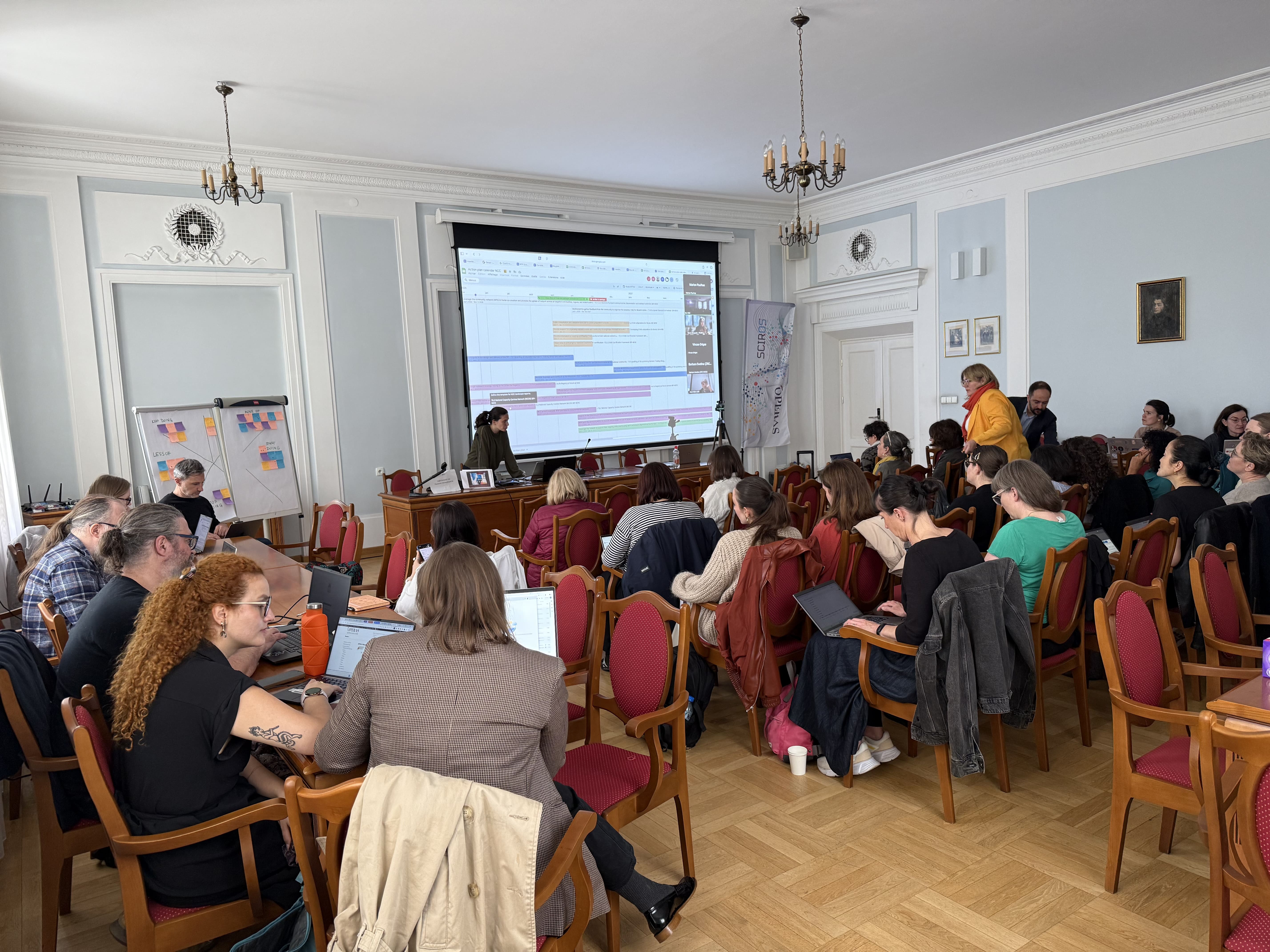
Photo of the NCCs meeting in Warsaw.
OPERAS National Nodes and the EDCH National Capacity Centres
The EDCH organised a lively panel discussion bringing together representatives from OPERAS National Nodes and EDCH NCCs as they are both part of the OPERAS infrastructure, to explore how these complementary collectives can support Diamond OA and open scholarly communication across Europe.
These communities demonstrate a complementary approach to embedding shared European goals within locally aligned centres to support multilingualism, diversity and ensure key stakeholder group inclusion.
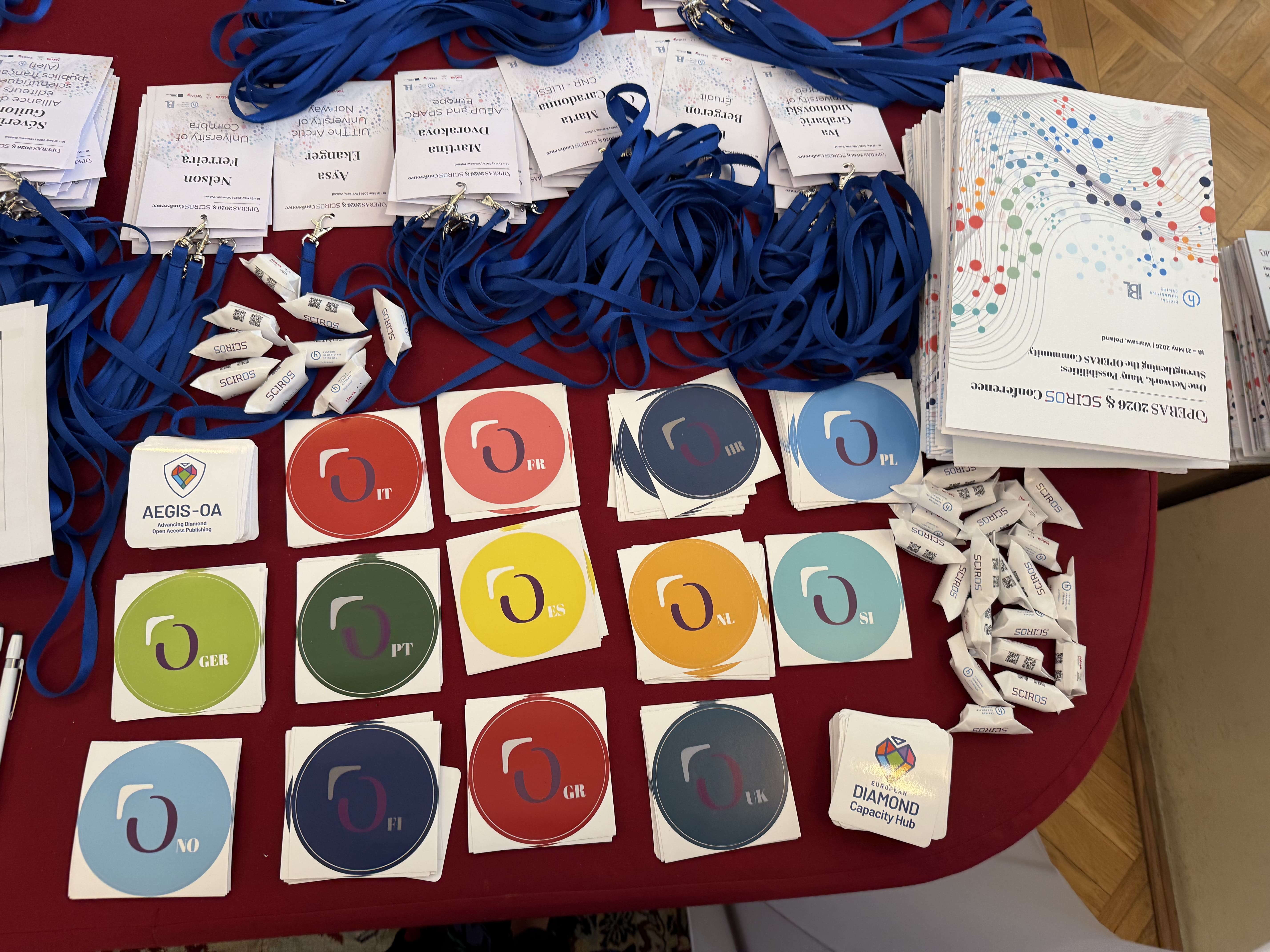
Discussions revealed the need for further opportunities to share experiences and lessons learned from different national perspectives as the European landscape is diverse and varied levels of maturity are observed when it comes to building Diamond OA capacity. By bringing in representatives from these national communities together and providing the space for meaningful discussions, we can pave the way for a more sustainable and efficient Diamond OA infrastructure.
Supporting coordination through centralised services
Another key discussion point was the importance of shared tools and services for the Diamond OA community. Through the EDCH services portfolio, we support coordination, promote common standards, and encourage alignment at the European level.
By developing centralised support mechanisms, the EDCH contributes to reducing fragmentation and avoiding duplication of effort, helping initiatives focus their resources where they can have the greatest impact.
Our EDCH Services poster: https://zenodo.org/records/20035901
Looking ahead: expanding support for OA books through the AEGIS-OA project
An important next step for the EDCH is the expansion of its services to support OA books publishing alongside journals. In the coming months, the EDCH will work intensively within the AEGIS-OA project consortium to lay the foundation for the integration of OA books, upskilling publishing professionals through training programs, and coordinating the motivated NCCs network.
Building on the existing EDCH services portfolio and previous European projects’ results, AEGIS-OA aims to strengthen and extend services, standards, training opportunities, and infrastructures for OA books while continuing to support journals and community-led publishing initiatives across Europe.
A warm thank you to the organisers: Digital Humanities Centre at the Institute of Literary Research of the Polish Academy of Sciences (CHC IBL PAN) and the OPERAS Research Infrastructure.